
The Future of Construction Equipment Is Net-Zero – And It’s Already Here.
SOLENERGY – Hydrogen Fuel Cell Engines
Construction is going green, and Hydrogen Fuel Cell Systems are leading the charge. As the industry pushes toward net-zero carbon emissions, traditional diesel engines just don’t cut it anymore. That’s where hydrogen steps in – clean, powerful, and ready for the real world.
Cleaner Construction Starts Here
From excavators to loaders, integrating hydrogen fuel cells helps construction sites dramatically reduce CO₂ output while still delivering the performance crews rely on. It’s zero emissions without sacrificing uptime or power.
Why Hydrogen?
Unlike battery-electric systems, hydrogen fuel cells offer longer run times, quick refueling, and no emissions at the point of use — perfect for heavy machinery that needs to stay active, not parked at a charging station.
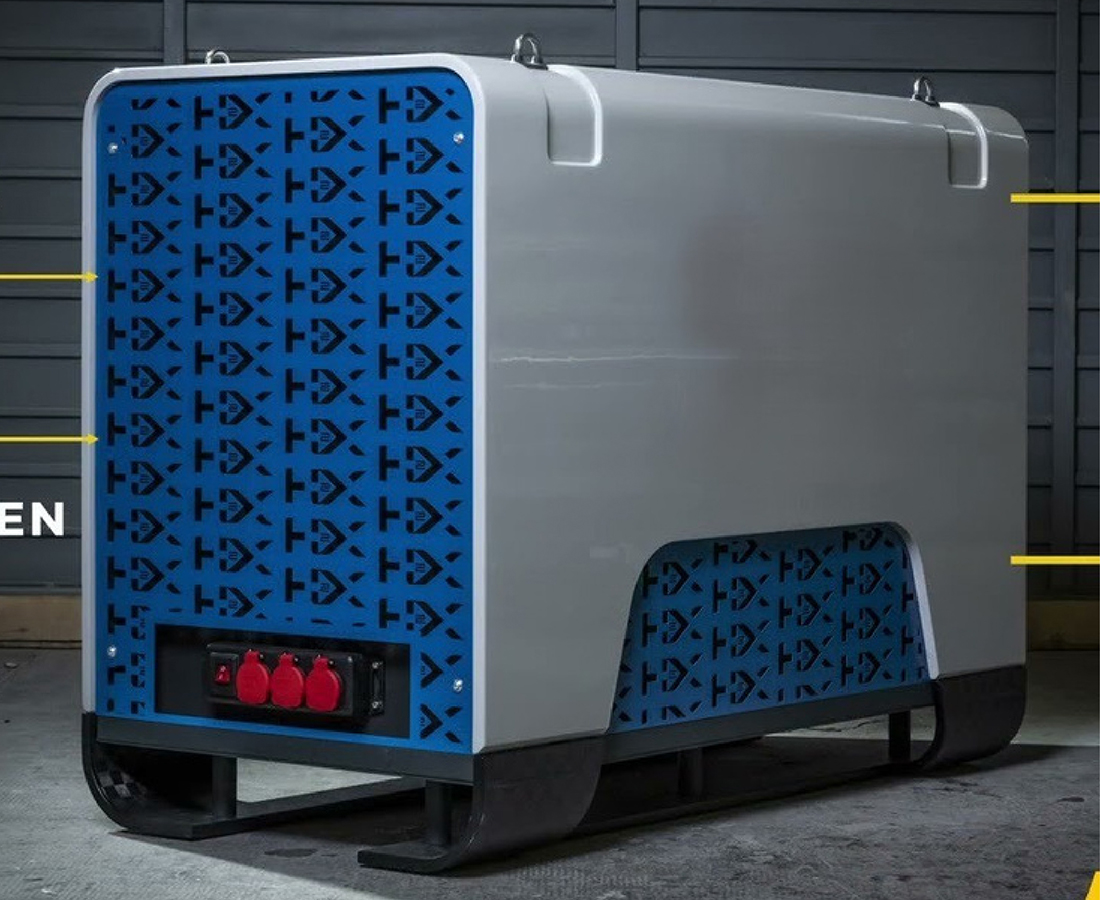
Fueling Net-Zero Goals
Governments and major contractors are setting ambitious carbon targets – and hydrogen is a key part of hitting them. With scalable, modular systems, the path to low-carbon construction is no longer theoretical – it’s operational.
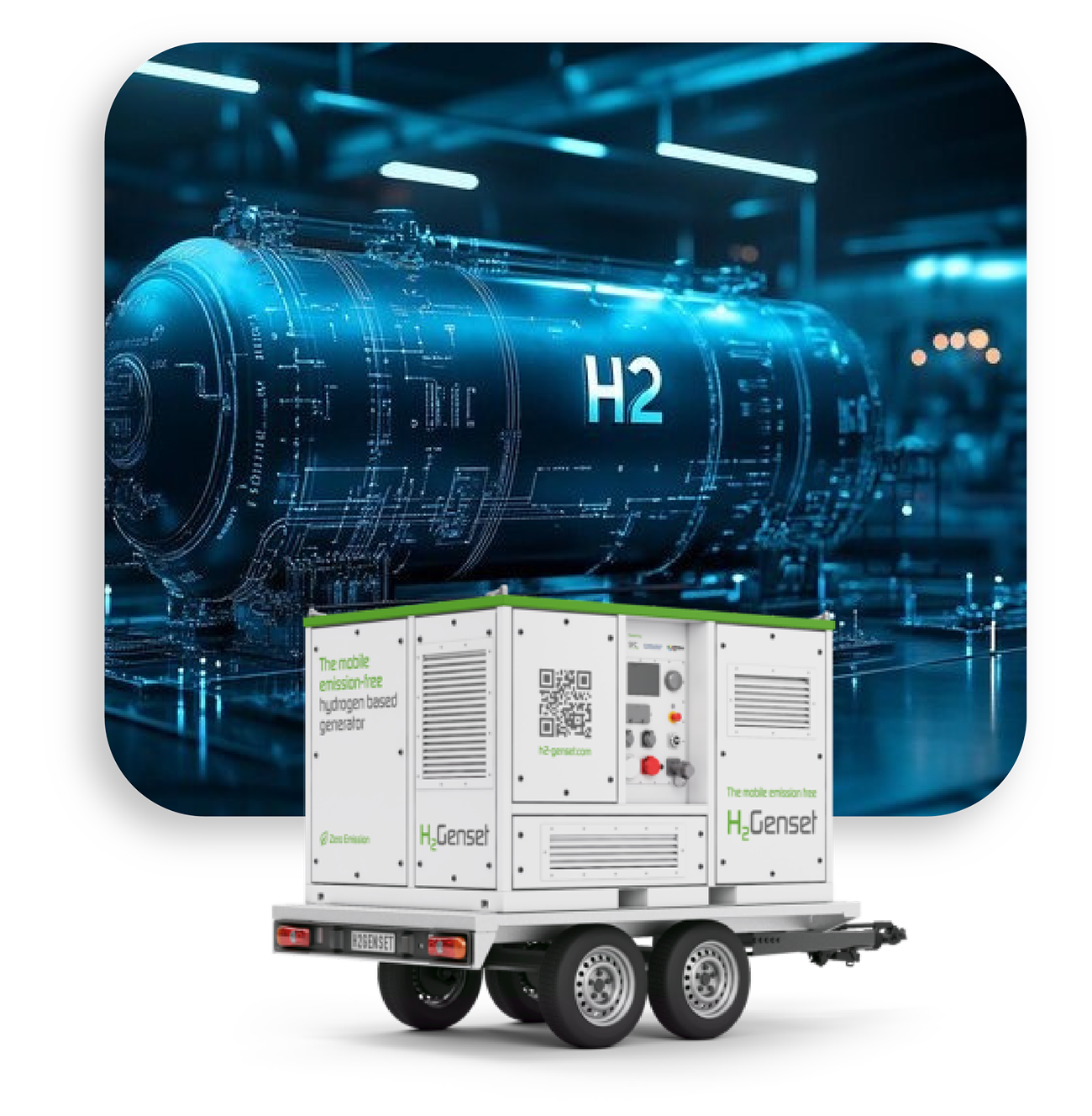
With a peak output of 28 kW, the H₂ Genset can be used in many applications such as:
Structural & civil engineering | Emergency power supply for critical infrastructures (Cl) | Road construction and maintenance | Emergency services | Technical relief organizations | Events and film industry | Forestry industry | Military
Why it matters
Hydrogen fuel cells aren’t just a trend – they’re the next standard for remote & construction site applications
Built smarter. Work cleaner. Hit net-zero.
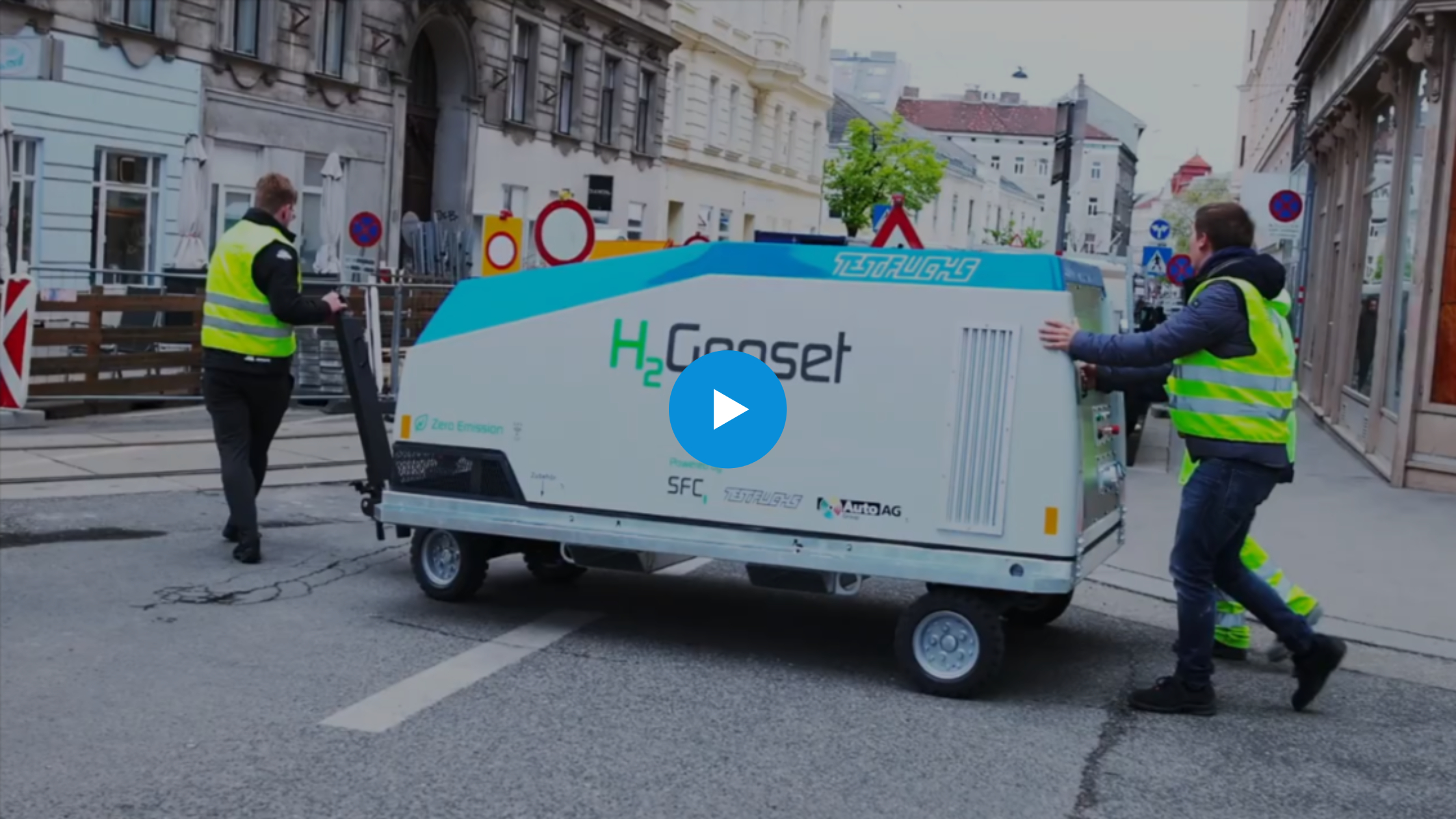
Video For Sol-Energy
SOL-ENERGY – SOLID STATE LITHIUM SULFUR BATTERIES
SOL-ENERGY partners with Thiospark from NUS to develop a new concept for low-cost batteries
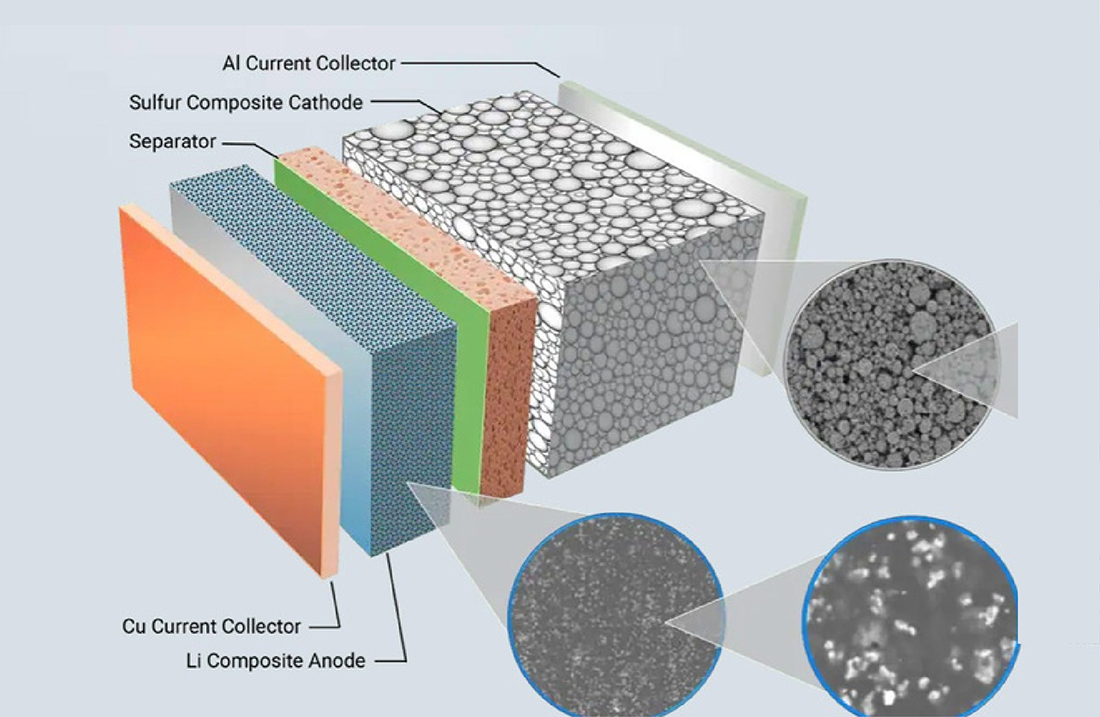
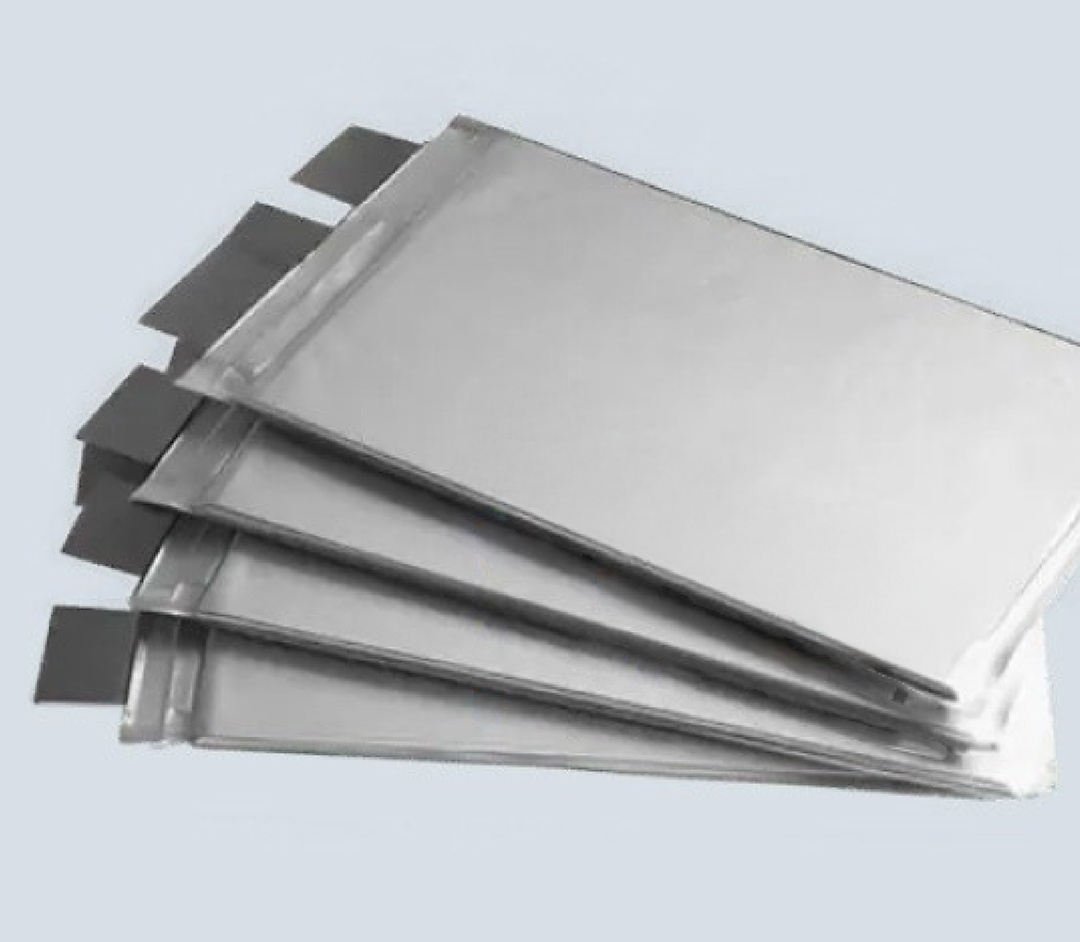
Solid State Lithium Sulfur Batteries SOLTECH -Thiospark’s solid-state lithium-sulfur battery is poised to revolutionize industries. The advanced technology addresses the critical challenges facing lithium-sulfur batteries, delivering superior cycle life, safety, and energy density.
Our proprietary combination of a sulfur carbon composite cathode, solid-state electrolyte, and Li-based anode sets a new standard for battery performance. Made from inexpensive, abundant materials, Solid State Lithium battery could provide low-cost backup storage for renewable energy sources. As the world builds out ever larger installations of wind and solar power systems, the need is growing fast for economical, large-scale backup systems to provide power when the sun is down and the air is calm. Today’s lithium-ion batteries are still too expensive for most such applications, and other options such as pumped hydro require specific topography that’s not always available.
Use Cases:
- Aerospace & Drones – Lightweight, high-density power
solutions - Portable Electronics – Safer, longer-lasting batteries for
consumer devices - Smart Cities Infrastructure – Powering loT, sensors, and
microgrids - Disaster Relief & Emergency Power – Rapid deployment
energy where needed most
High energy density
Energy density three times higher compared to Li-ion batteries.
Light weight
Longer flight time of drones, EVs can cover twice the distance per charging.
Low Cost
Replacing costly cobalt and nickel oxides by low-cost earth abundant cathode material.
Enhanced Safety
Replacing flammable organic liquid electrolytes eliminates fire hazard.
Reduced Environmental Impact
Environmentally more benign by eliminating toxic cobalt cathodes.
Why it matters
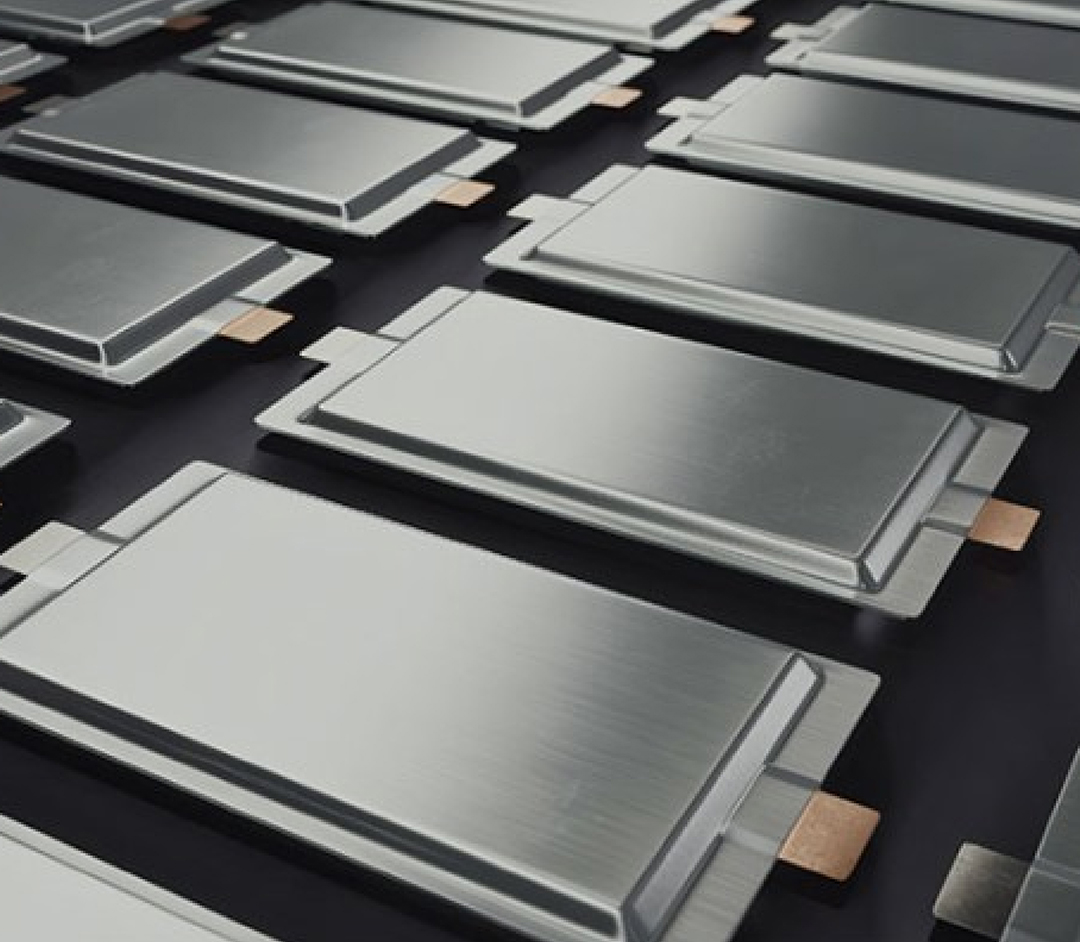
Batteries commonly used on construction sites for temporary road signage, power storage, and remote CCTV cameras are often large, heavy, and have limited capacity, requiring frequent recharging. While Lithium-lon batteries are more compact, they carry inherent fire risks. Our Solid-State Lithium-Sulfur batteries address these challenges, offering higher safety, improved performance, and competitive pricing.